Watch (Again): Camilla Riis Petersen on Danish Implementation of Official RDA
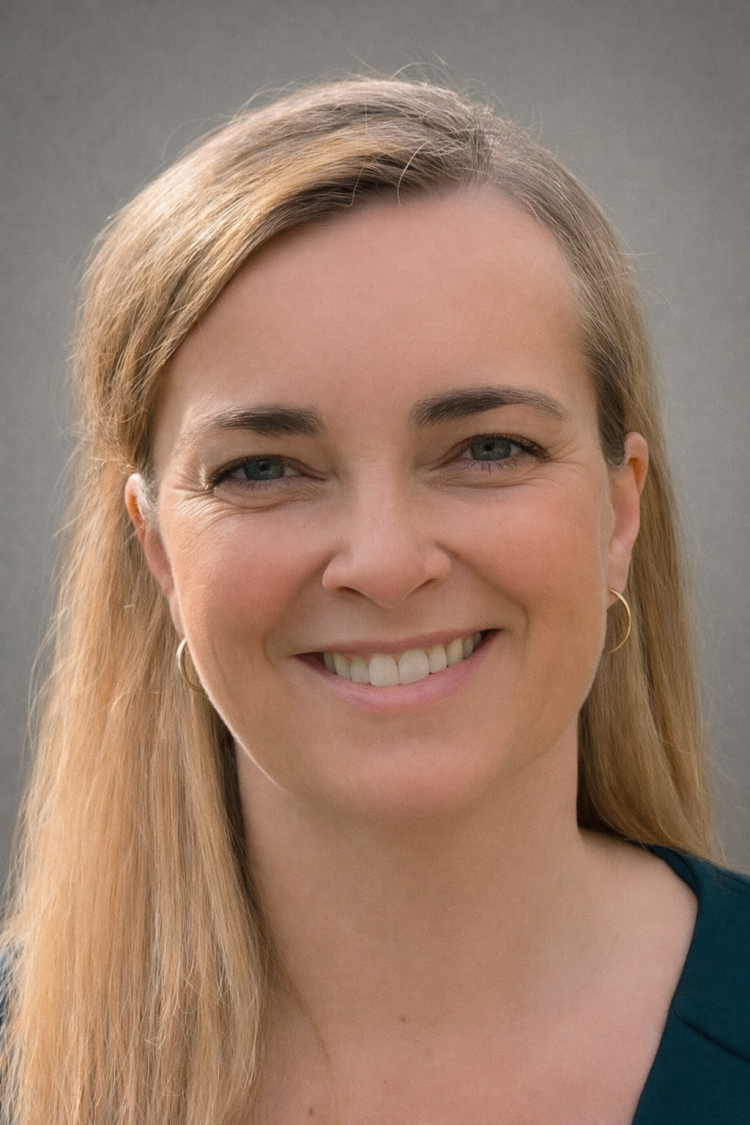
RSC Chair Renate Behrens was delighted to welcome Camilla Riis Petersen, Bibliographic Consultant, DBC Digital (pictured) to the Public Session of our April Meeting to update us on developments in Denmark.
Like several those of other RDA cataloguing communities, the Danish translation of Official RDA is partial and focused on the RDA vocabularies, which are then implemented using what we may describe as an integrated application profile within Denmark's own cataloguing instructions. Danish cataloguers do not have to grapple with spreadsheets or cross-walks, they simply continue to use DanMARC, their cataloguing rules, and DanMARC has RDA entities embedded within it.
In her presentation, which you can now watch (again) on the RDA Toolkit YouTube channel, Camilla highlighted two entity types not included in the IFLA LRM and RDA models.
Sub-works have been introduced to support user interface needs. The "reflect special versions, such as different language versions, easy-to-read versions, large-print editions and recorded music versus notated music." Camilla stressed that the Sub-work concept does not map exactly to the LRM Expression and shared an example of The Great Gatsby in its original English, in Polish, and in three different Danish translations. In DanMARC, all three of these are considered sub-works of the Work The Great Gatsby.
DanMARC also uses a Work Cluster when the authorship of a text changes between editions. Camilla said "We use a work cluster to bring together works that users perceive as the same overall work. A work cluster supports user-friendly presentation in the interface." She shared examples of travel guides, in which the author is not as significant to the end-user as the topic. She stressed that "A work group has only a minimal description" and that "Work groups are a distinctly Danish solution. They are always coded as Danish RDA."
Camilla described the Danish approach as highly practical, adopting the LRM and RDA concepts that they knew would work in their country's context. She acknowledged that as a smaller nation and language group, Denmark is often able to work quickly and easy at the national level.
As well as sharing it here, the link to the YouTube recording of Camilla's presentation has been added to our Implementing Official RDA webpage. If you are beginning to implement ahead of the Countdown Clock on Original RDA, you may find the links there useful. If you have an implementation you would like to share, please get in touch with RSC Secretary Anne Welsh in the first instance: RSCsecretary@rdatoolkit.org